
AnarDara Spine Center
Clinic · Kabul
Demonstration Street 1, District 10
Open mapSpine Surgeon · Spine Specialist
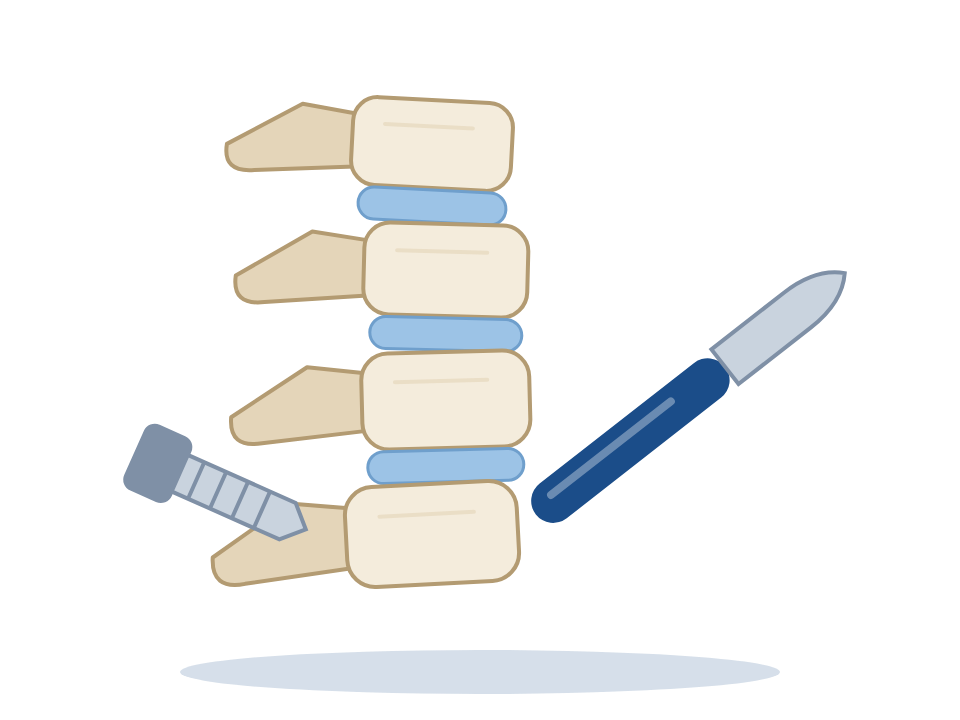
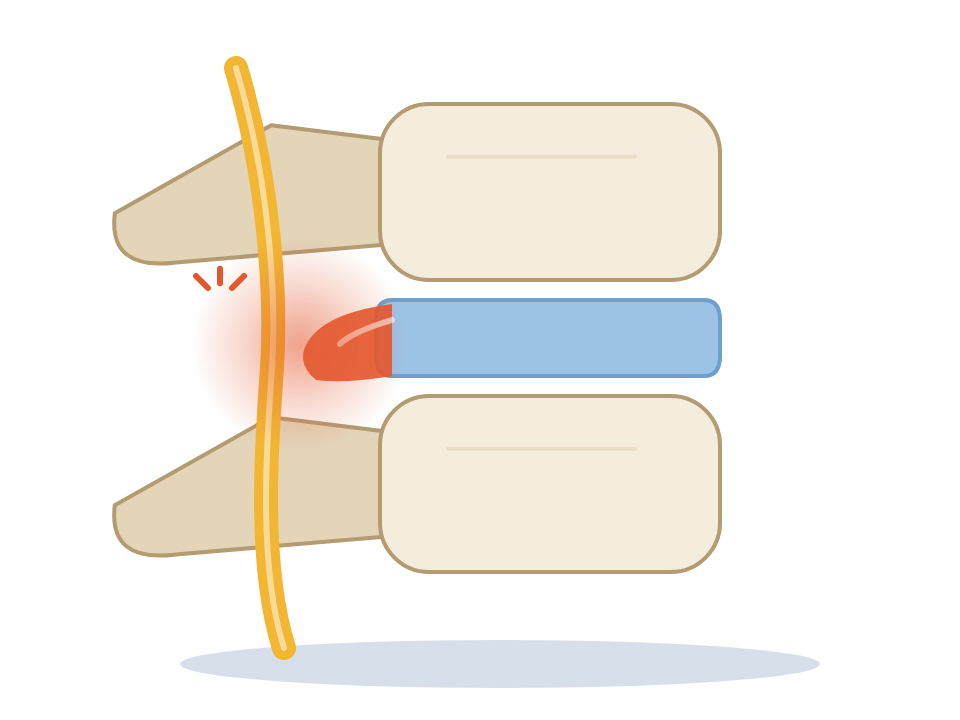
Specialist care for herniated discs, sciatica and lower back pain — from non-surgical treatment to lumbar discectomy when it is truly needed.
Spine care
The neck: seven small vertebrae that support the head and protect nerves running to the shoulders and arms.
Common reasons for a visit
Related services
The upper and middle back: twelve vertebrae connected to the ribs, giving stability to the chest.
Common reasons for a visit
Related services
The lower back: five large vertebrae that carry most of the body's weight and allow bending and lifting.
Common reasons for a visit
Related services
The base of the spine: the sacrum and coccyx, which connect the spine to the pelvis.
Common reasons for a visit
Related services
This information is general and does not replace a consultation. Treatment decisions are made individually with your doctor.
Specialties & services
 In person
Lumbar spine (lower back)
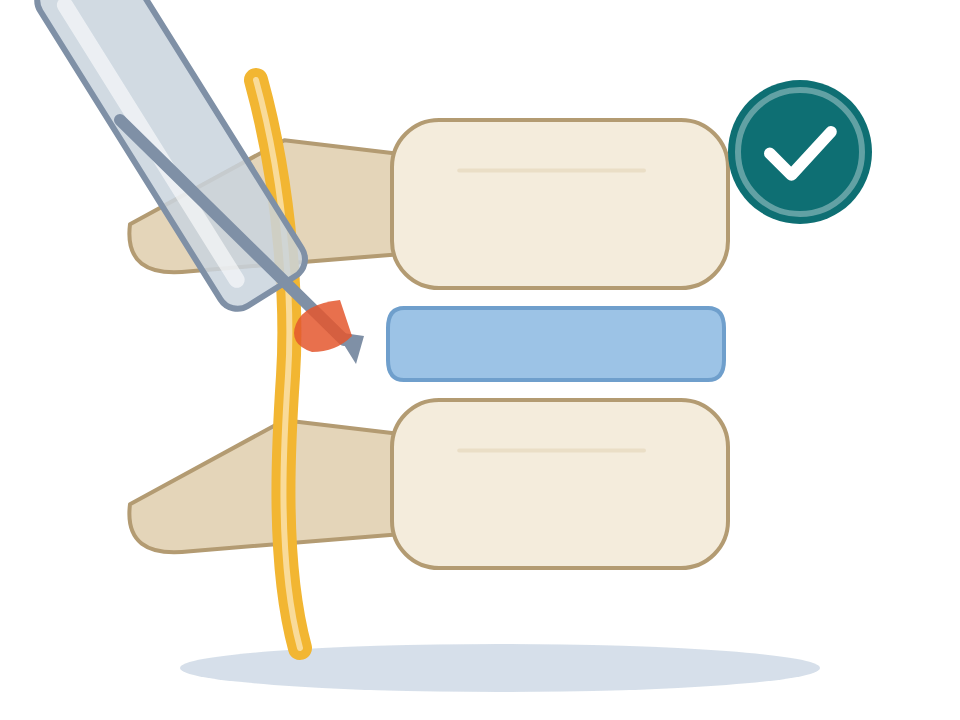 In person
Lumbar spine (lower back)
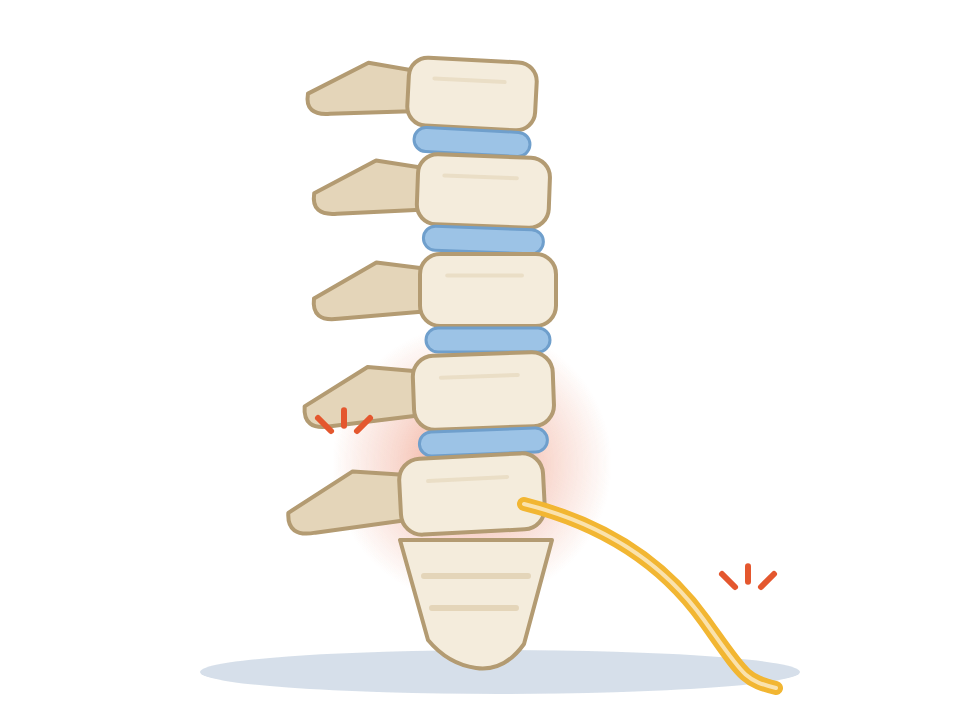 In person
Lumbar spine (lower back)
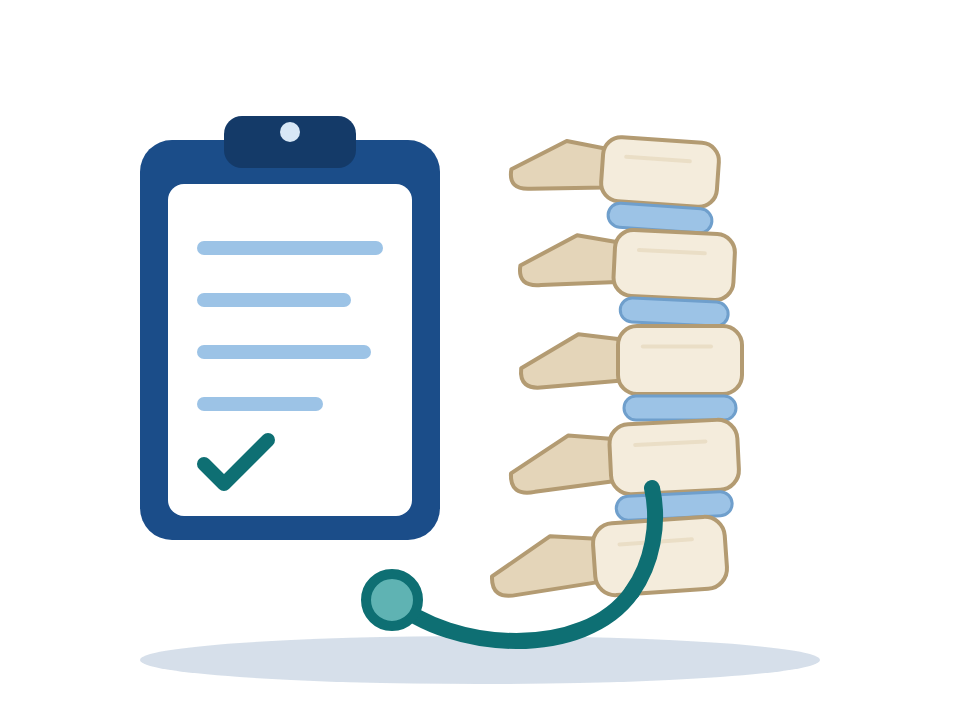 In person
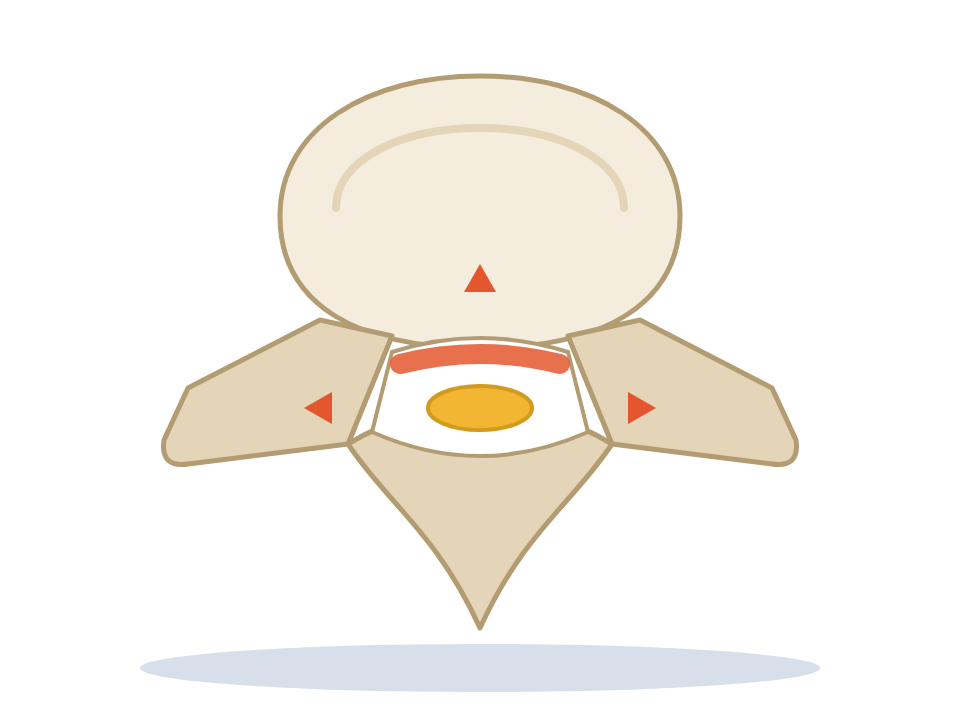 In person
Lumbar spine (lower back)
 In person
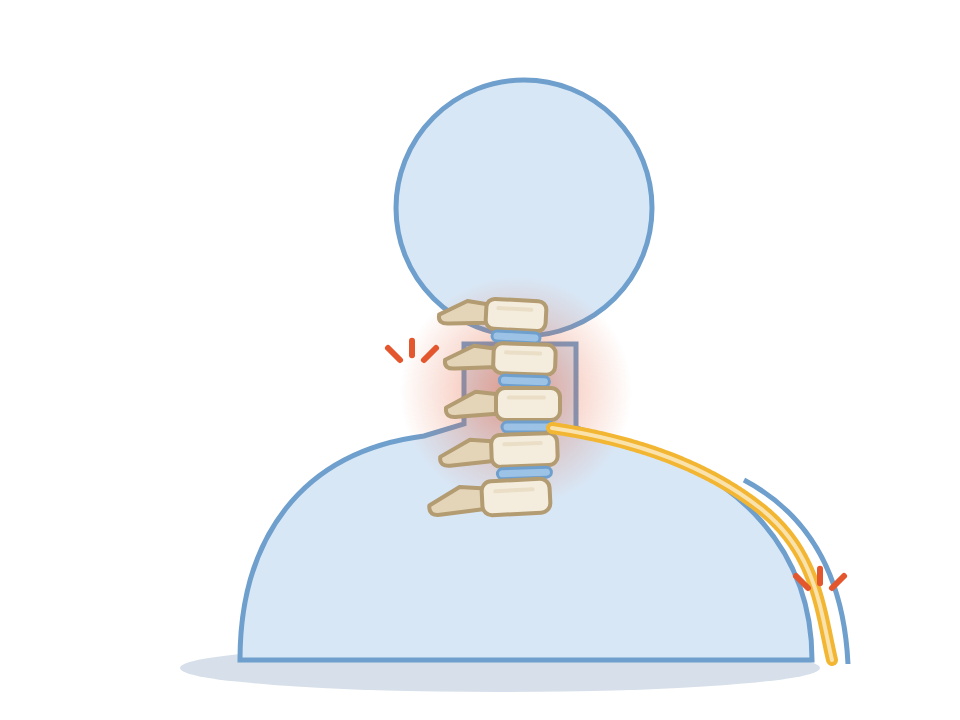
Cervical spine (neck)

About the doctor
Dr. AnarDara is a spine surgeon and spine specialist in Kabul with over 15 years of experience. His focus is herniated discs, sciatica and minimally invasive lumbar discectomy.
How care works
1
A detailed conversation about your symptoms, followed by a physical and neurological examination.
2
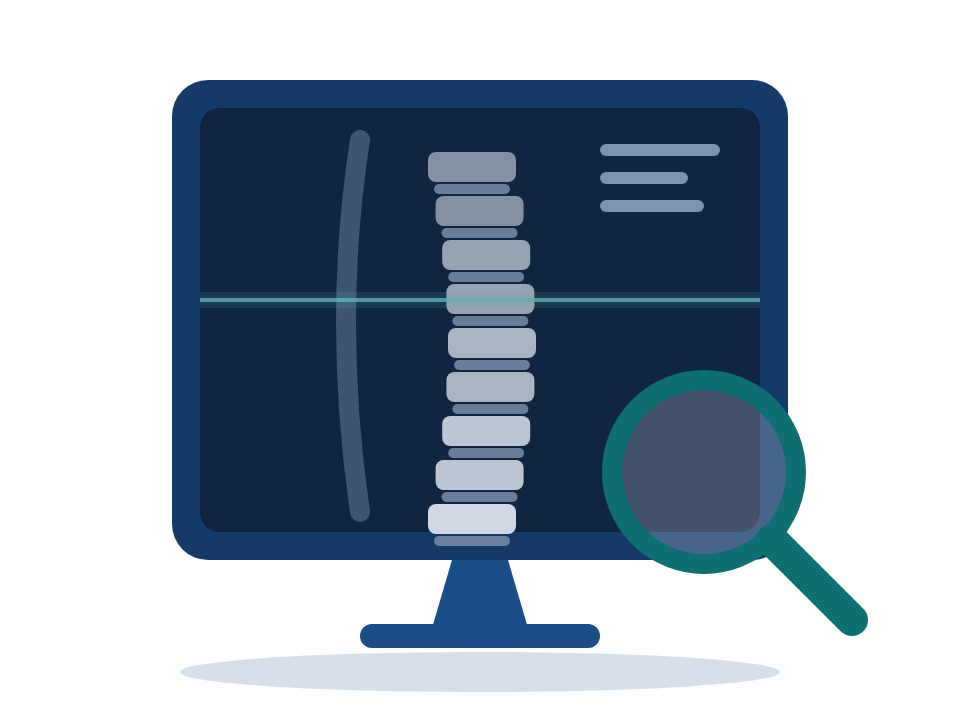
X-ray, MRI or CT images are reviewed when they are needed to understand the cause of your symptoms.
3
Treatment often begins with non-surgical options such as physiotherapy, activity advice and medicines.
4
If surgery is considered, the options, expected benefits and risks are discussed openly before any decision.
5
Follow-up visits and guided rehabilitation support your return to daily activities.
Every treatment plan is decided together with you after an examination.
Qualifications
Doctor of Medicine (MD)
Demonstration University Faculty of Medicine
Residency in Orthopedic Surgery
Demonstration Teaching Hospital
Fellowship in Spine Surgery
Demonstration Spine Institute
Certificate in Minimally Invasive Spine Surgery
Demonstration Spine Institute
Certificate in Microdiscectomy and Lumbar Disc Surgery
Demonstration Spine Institute
Practice locations
Clinic · Kabul
Demonstration Street 1, District 10
Open mapHospital · Kabul
Hospital Road, District 4
Working hours
Times are shown in each location's local time zone.
Clinic · Kabul
Demonstration Street 1, District 10
Hospital · Kabul
Hospital Road, District 4
Before your visit
Please arrive 10 minutes before your appointment.
Bring your MRI, CT or X-ray images and their reports.
Bring a list of the medicines you currently take.
Wear comfortable clothing so your back and neck can be examined.
Questions
Health information
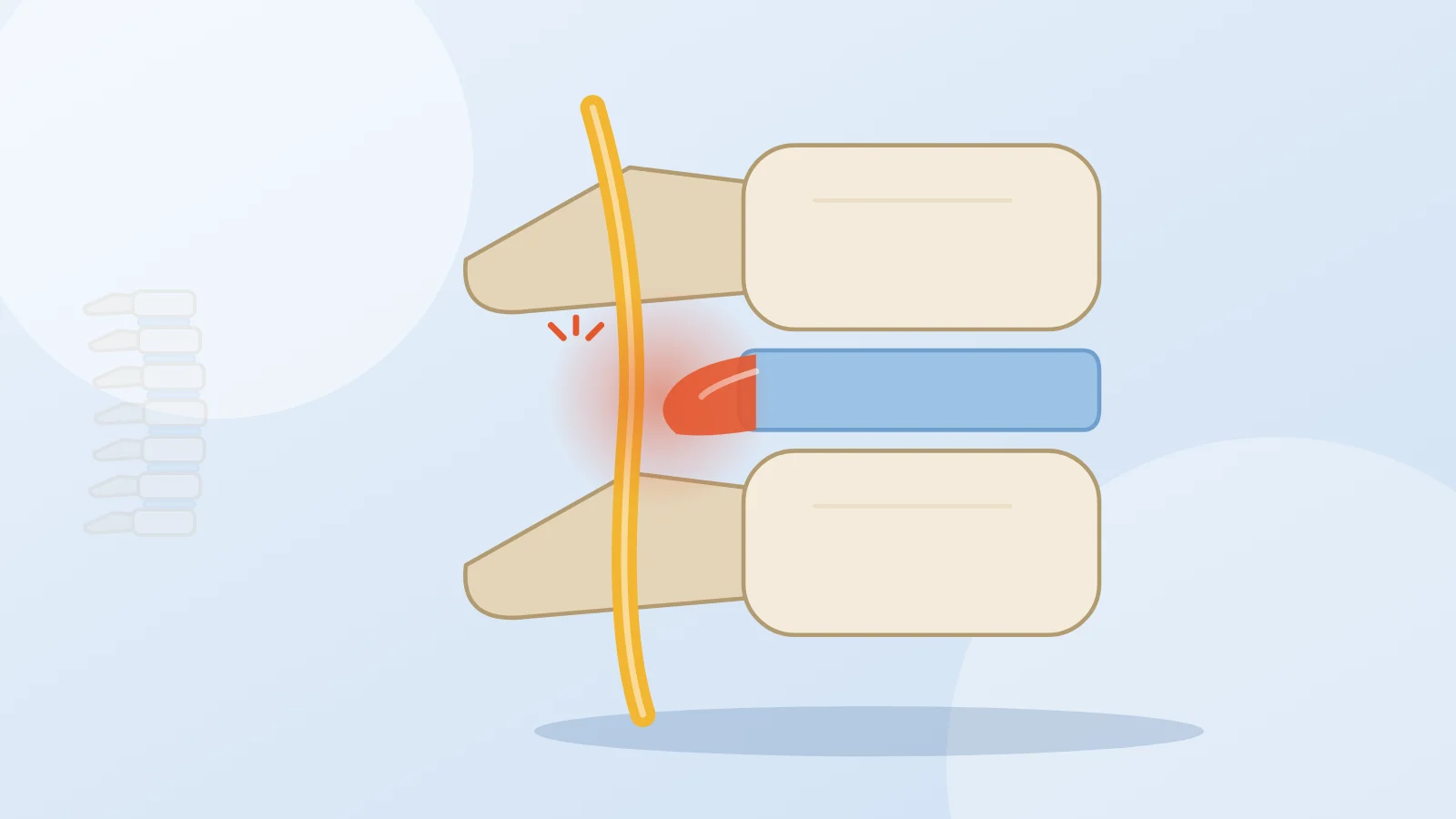
19 October 2026 · Back and neck pain
Why discs bulge, why it can cause leg pain, and why most people get better without surgery.
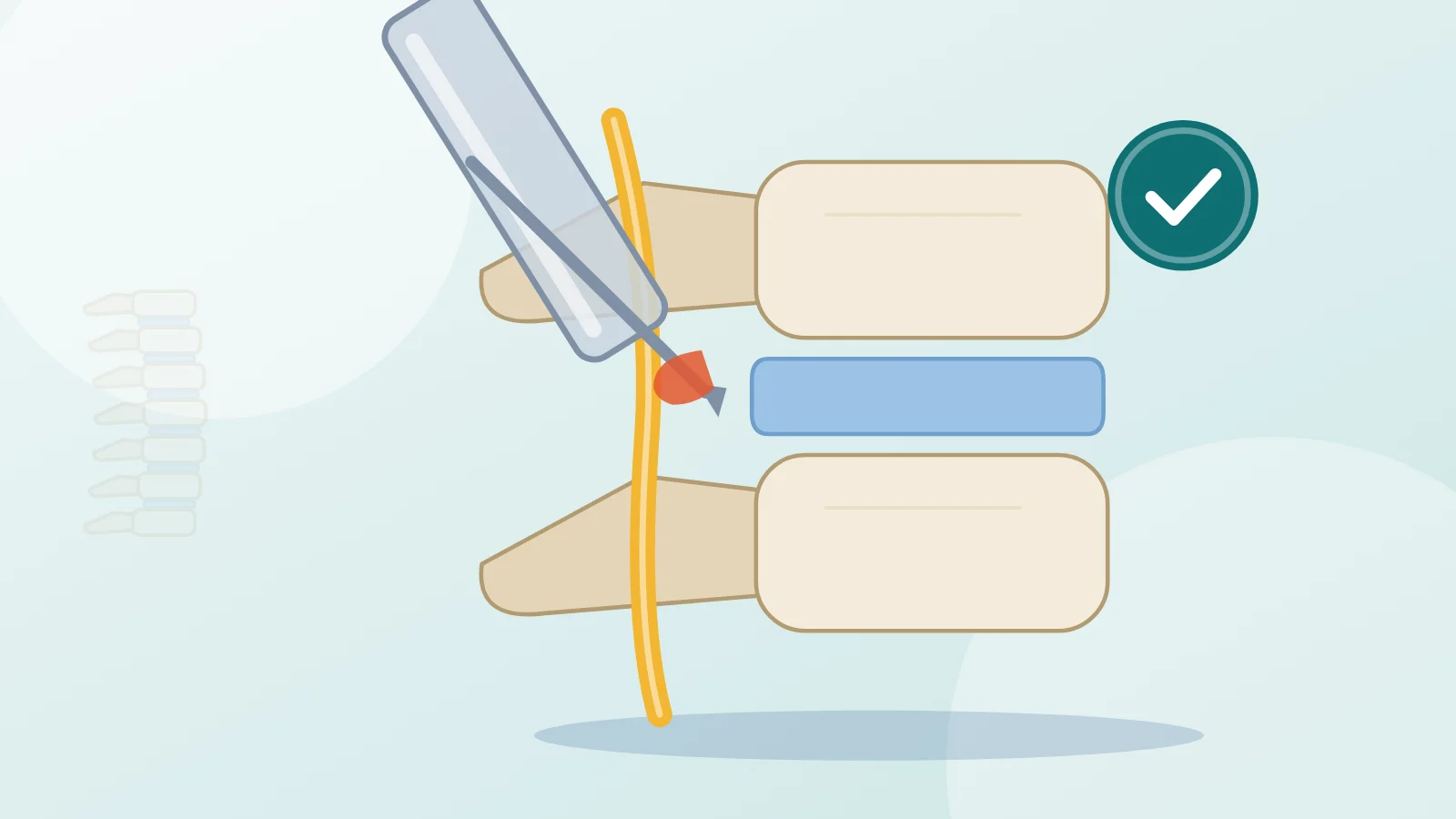
16 October 2026 · Spine surgery and recovery
A plain-language guide to microdiscectomy for a herniated disc: who it helps, how it is done and how recovery usually goes.
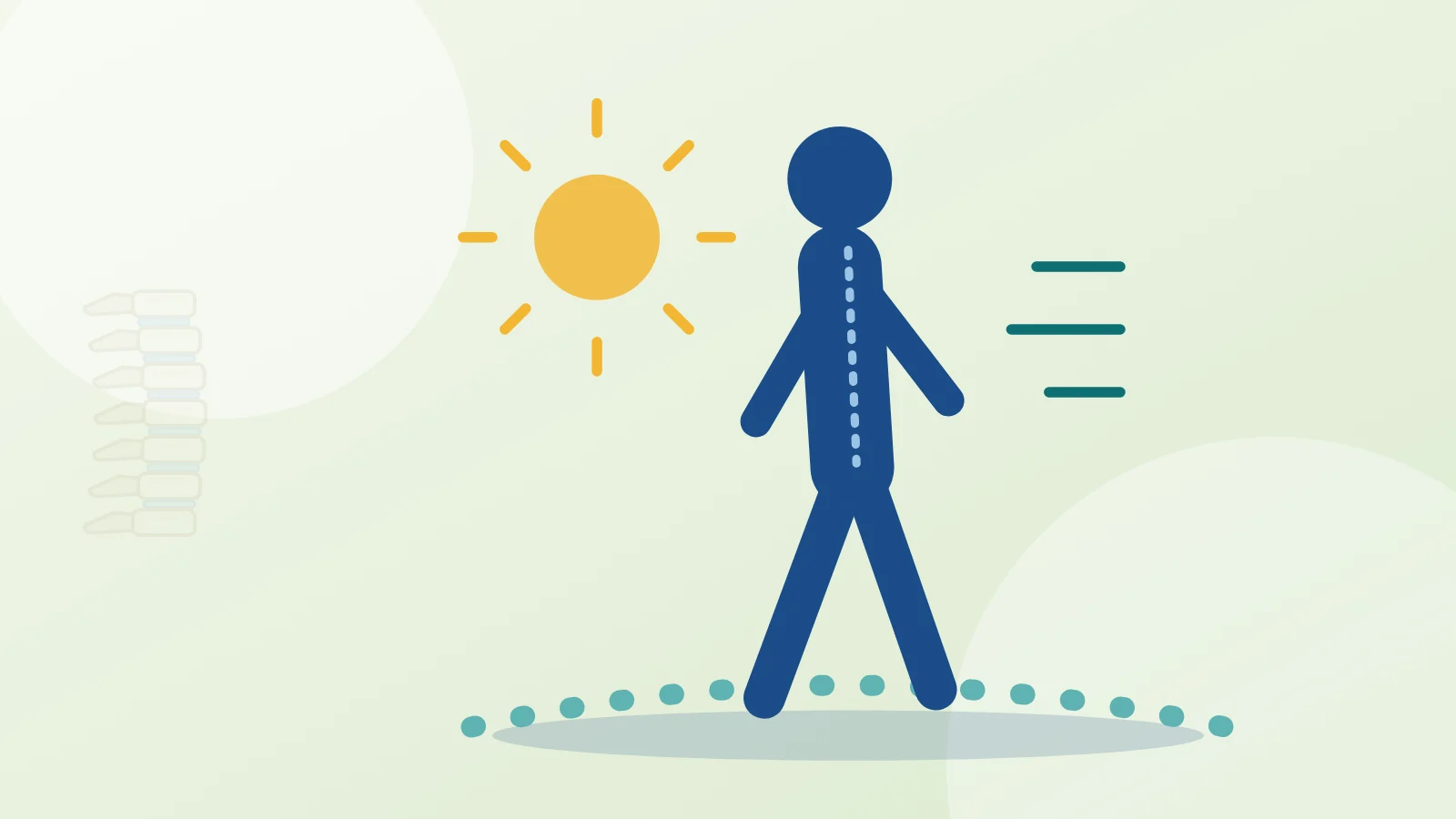
12 October 2026 · Spine surgery and recovery
Walking, sitting, lifting and returning to work: practical habits that support recovery after disc surgery.
Contact
Have a question about appointments or services? Send us a message and the practice team will reply.