

Education · · 2 min read
Herniated disc: what it is and how it is treated
Why discs bulge, why it can cause leg pain, and why most people get better without surgery.
Dr. AnarDara
What is a herniated disc?
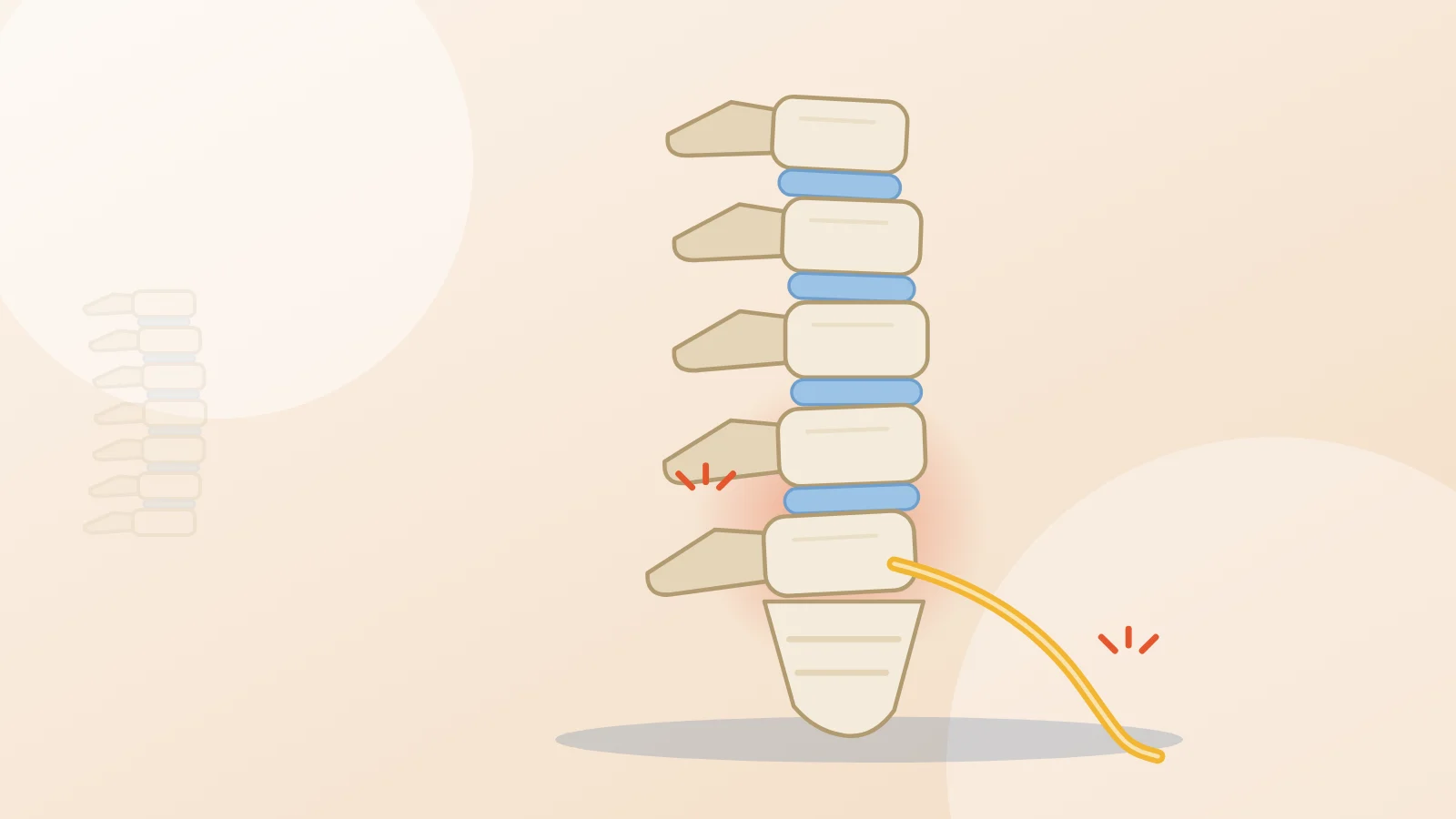
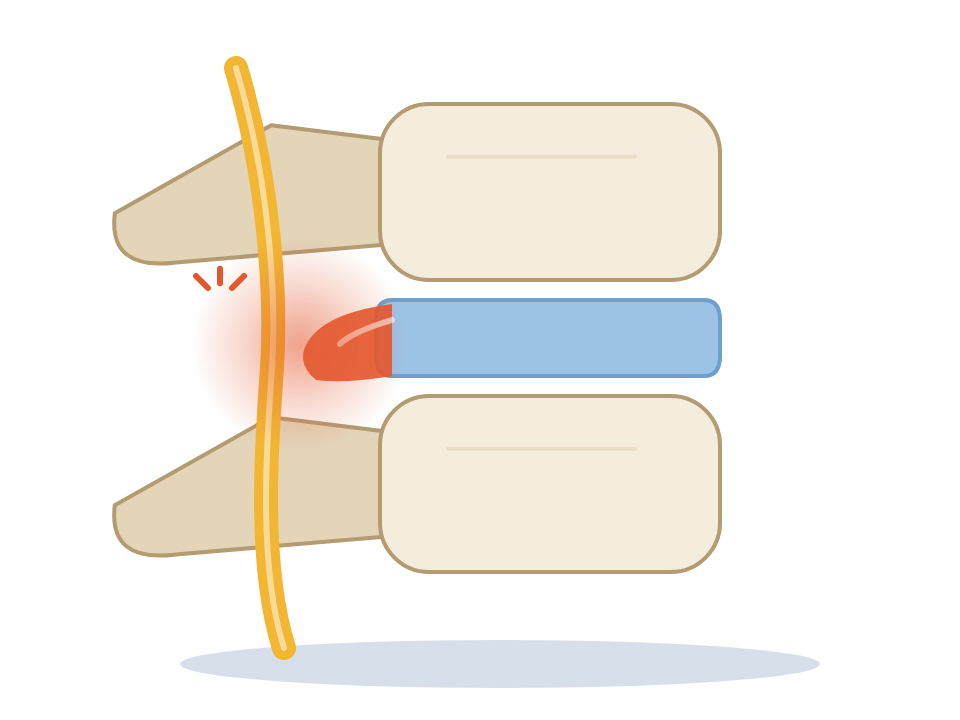
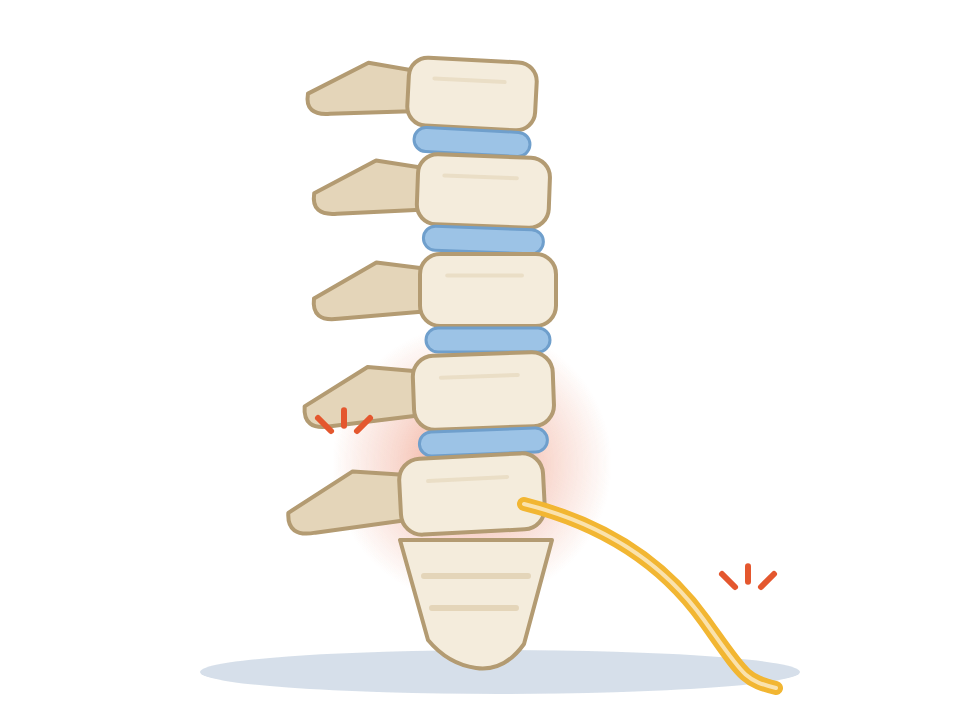
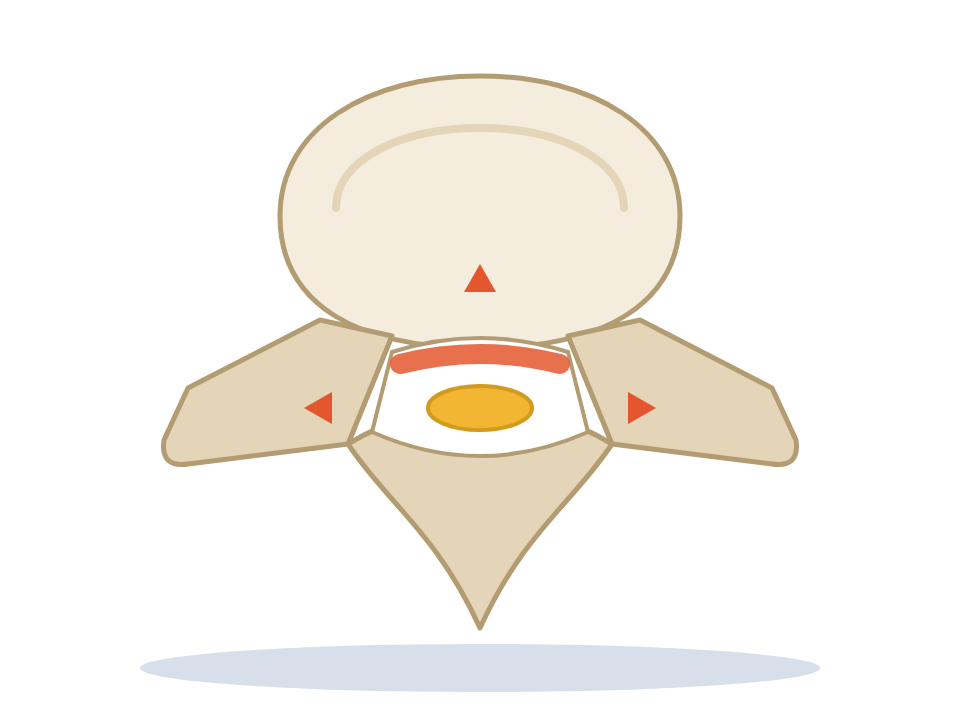
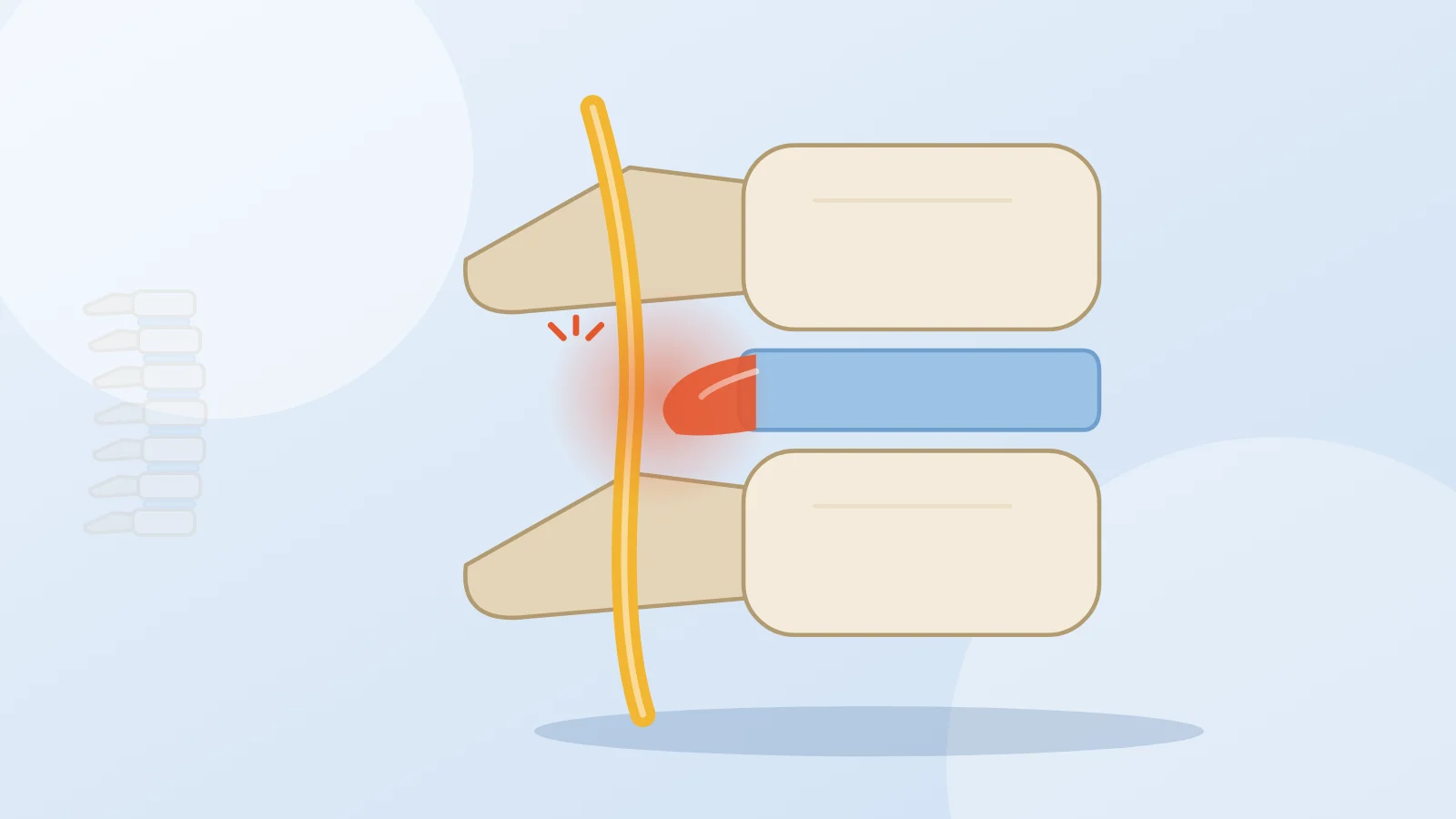
Between the bones of the spine (vertebrae) are soft, cushion-like discs. A disc has a tough outer ring and a softer centre. When part of the centre pushes through a weak spot in the ring, it is called a herniated, slipped or prolapsed disc.
Why does it cause leg pain?
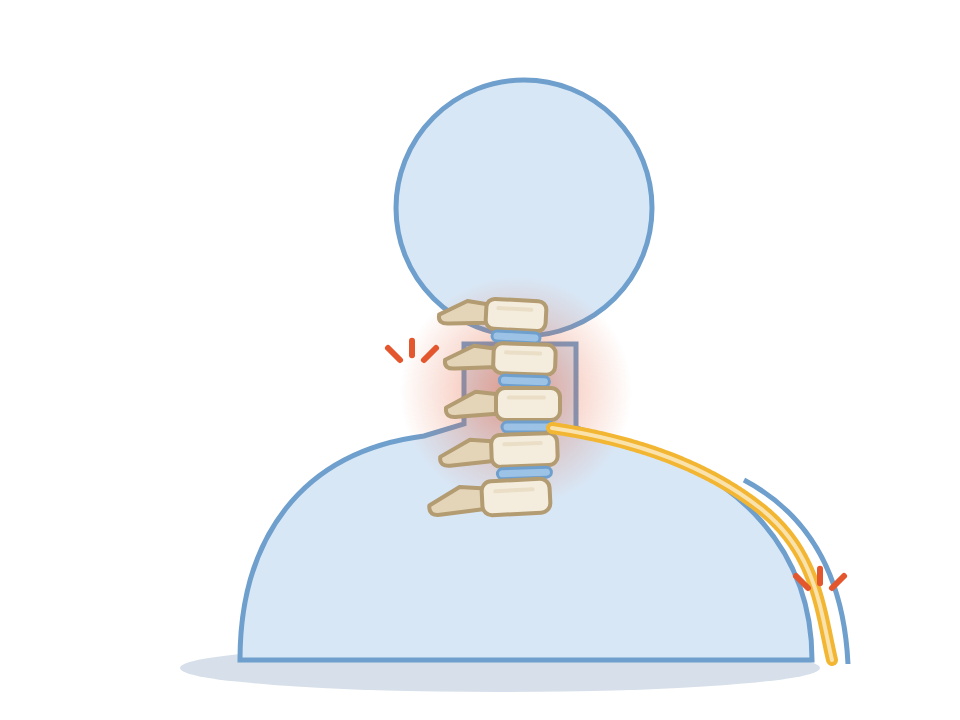
In the lower back, a herniated disc can press on a nearby nerve root. That nerve runs down the leg, so the pain is often felt in the buttock, thigh or calf. This is called sciatica. Some people also notice numbness, tingling or weakness.
How is it diagnosed?
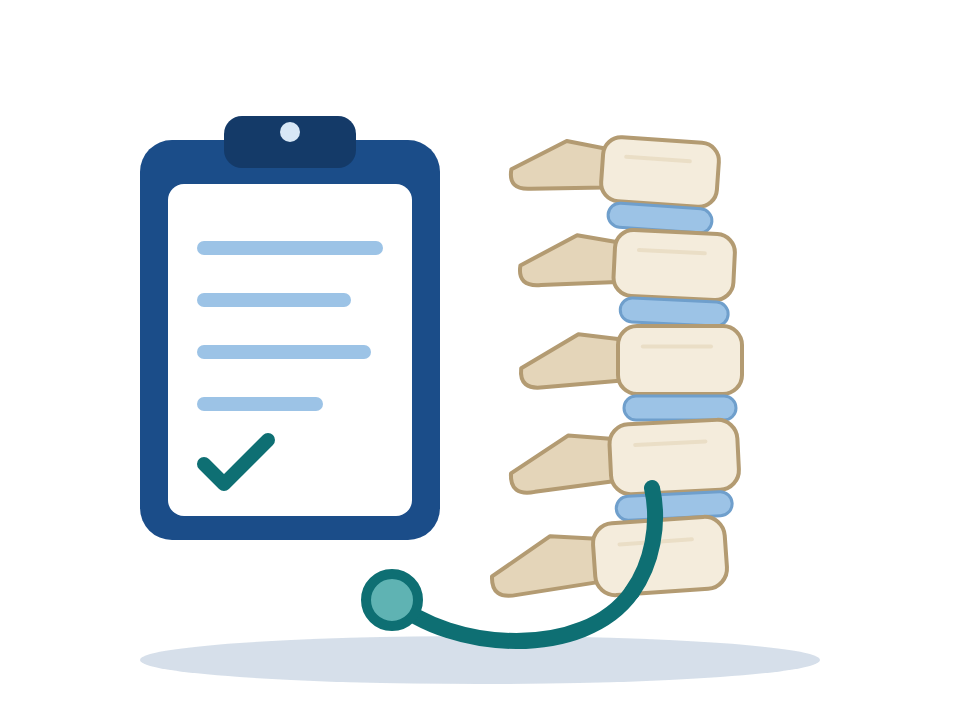
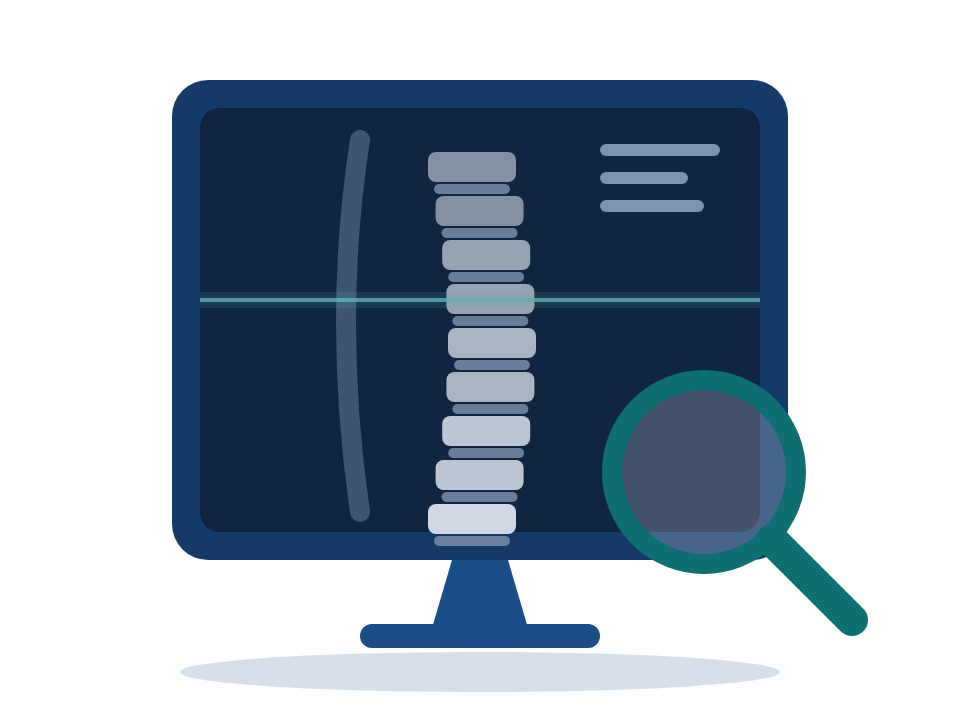
Diagnosis starts with your story and a physical and neurological examination. An MRI scan is helpful when symptoms are severe, do not improve, or when surgery is being considered.
How is it treated?
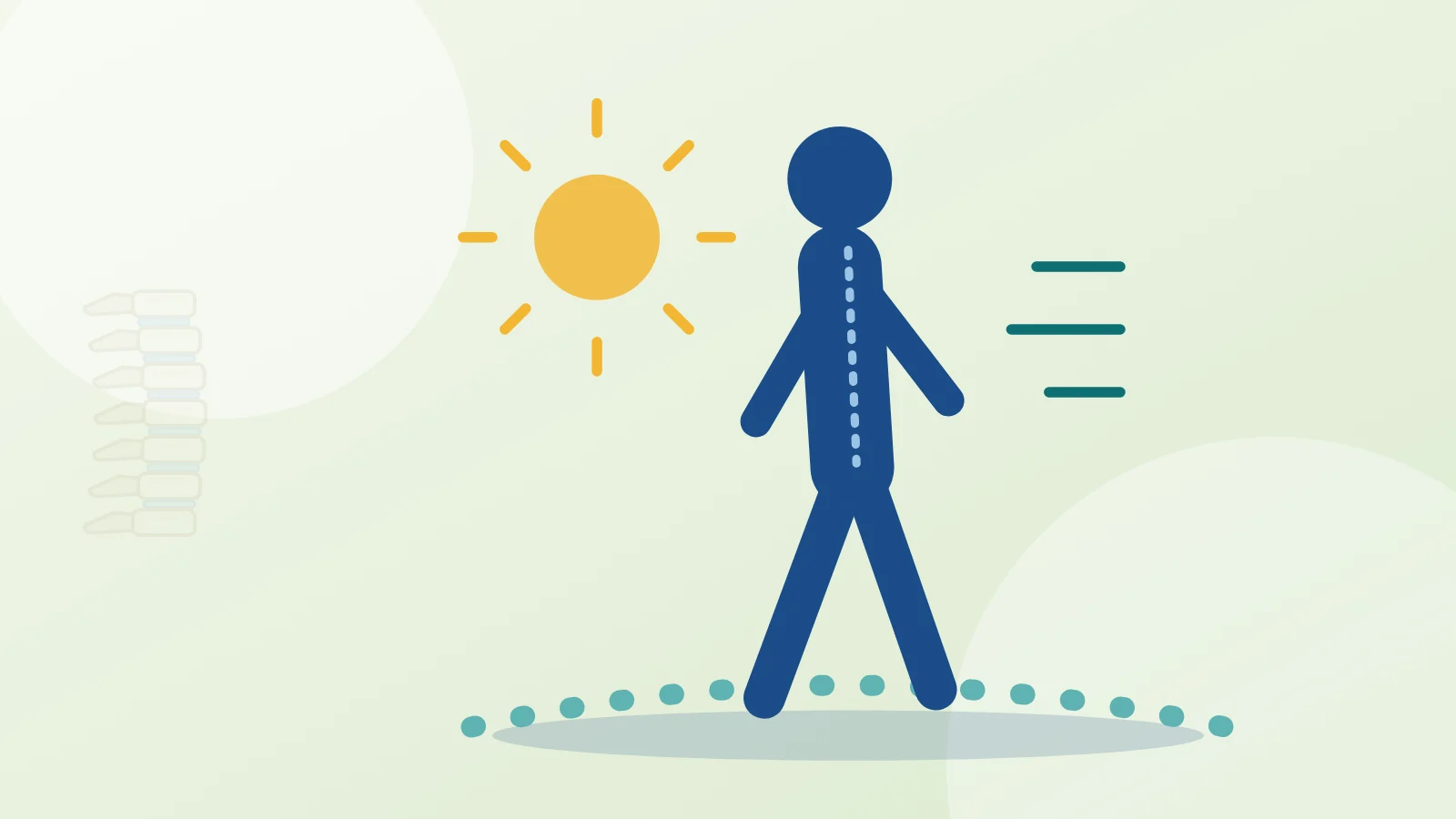
- Time and activity: stay as active as pain allows; long bed rest is not recommended.
- Physiotherapy: exercises to support the spine and improve movement.
- Medicines: to control pain while the disc settles. Take them only as your doctor advises.
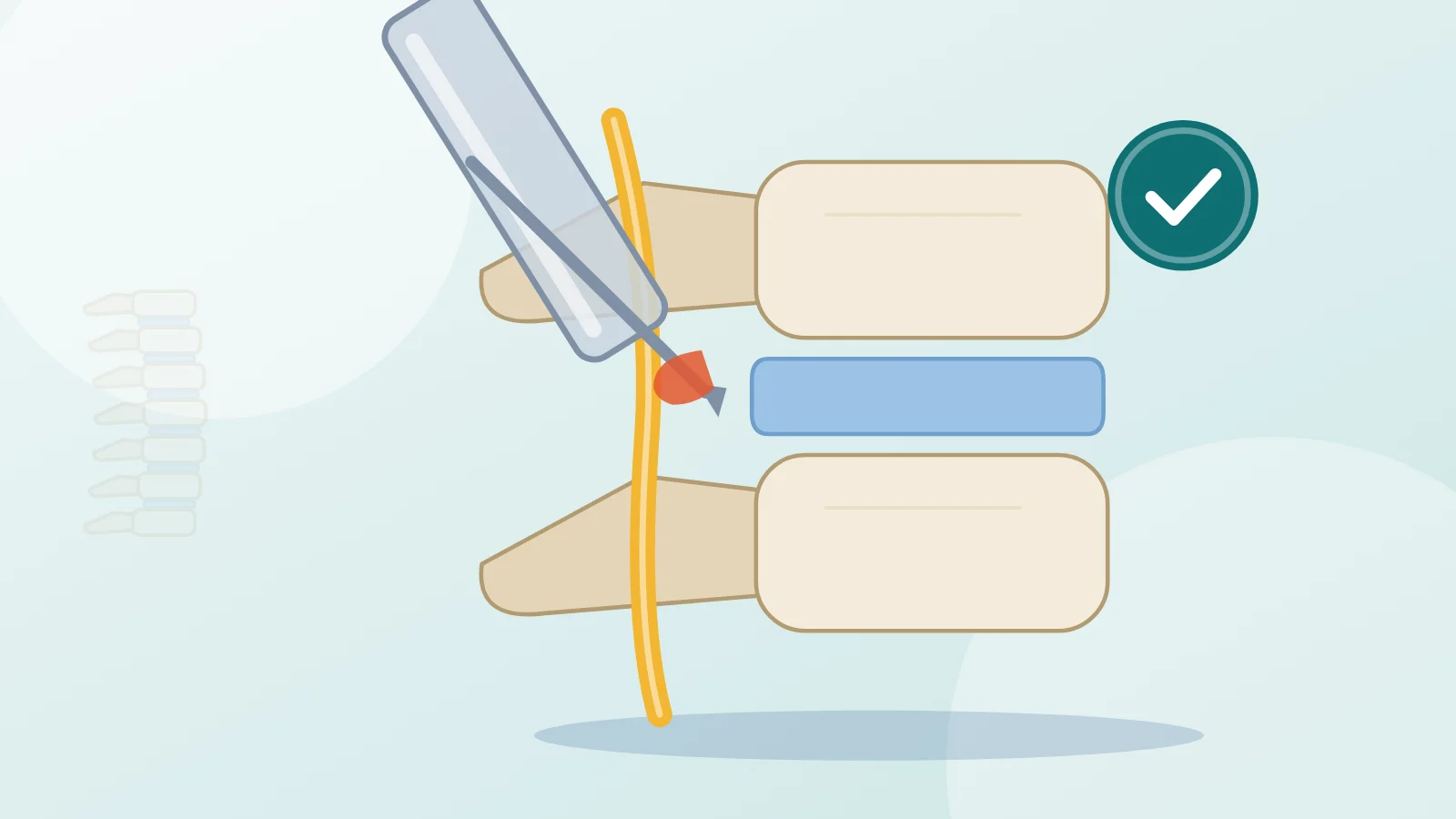
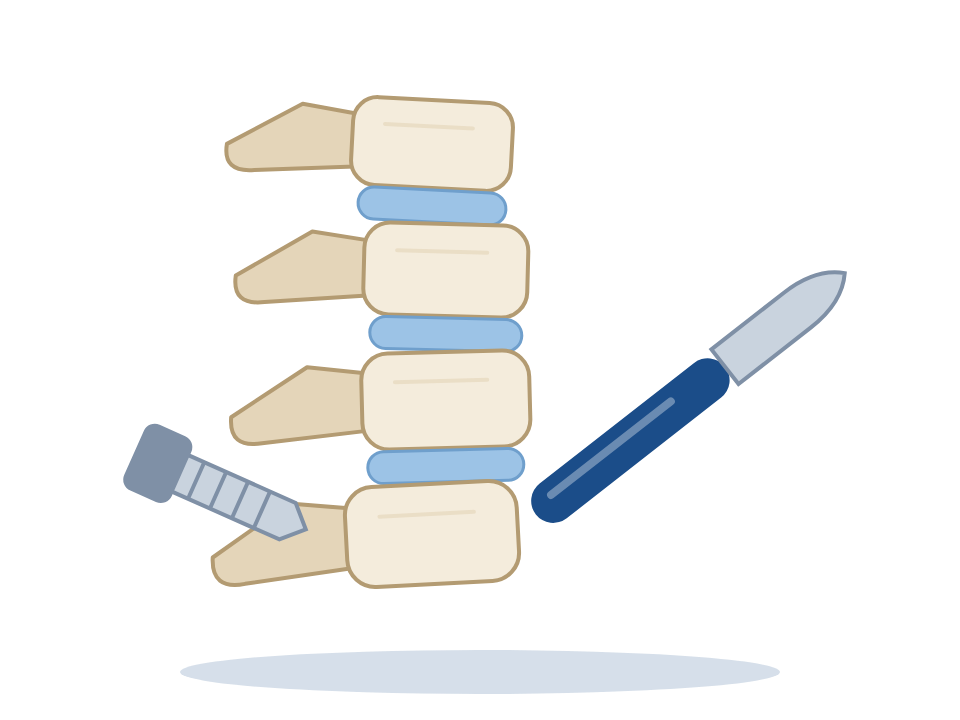
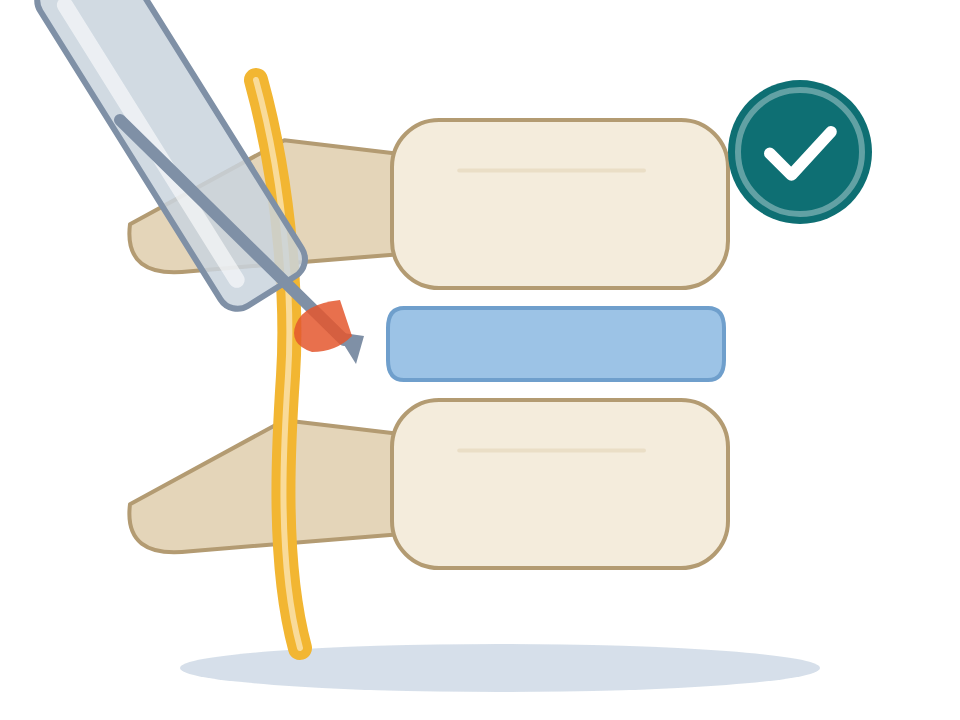
- Surgery: a lumbar discectomy may be discussed if leg pain does not improve, or if there is significant weakness.
When to seek urgent care
Seek medical help immediately if you notice numbness around the groin or buttocks, new problems controlling your bladder or bowel, or rapidly worsening leg weakness.
This article is general information and does not replace a consultation.
This article is for general information only and is not a substitute for professional medical advice. Please consult your doctor about your own situation.